Preventing Falls at Home
Stay Safe In Your Home
Posted: January 27, 2012 by Sutton Support update
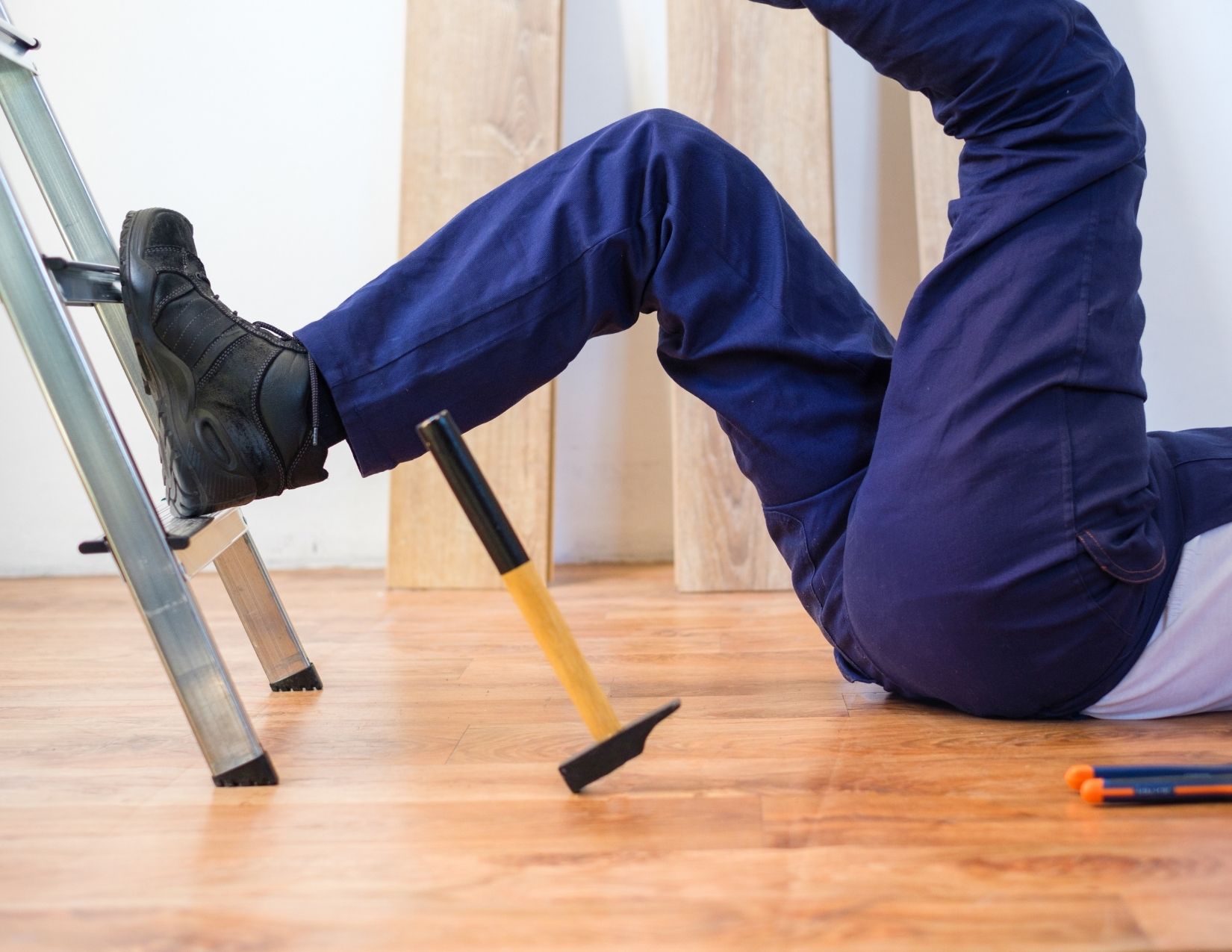
Falls are the leading cause of injury-related hospitalizations among Canadian
seniors, and between 20% and 30% of seniors fall each year, according to the Public Health Agency of Canada (PHAC). Of those who are injured in a fall, the most common injury (35% of cases) is a fracture, which is a broken bone. Serious injury such as a broken hip can be so life-altering that the senior must move into a care facility.
Diminished vision, awareness, hearing, touch, balance and mobility are common aspects of ageing that make it more difficult to get around the home and yard. (These physical impairments can also affect younger people following meningitis, inner ear infections, car accidents, sports injuries, etc.)
Spills on the kitchen floor, high beds, staircases and slippery tubs and showers often contribute to indoor falls. During the winter, snow and ice can turn driveways and walkways into skating rinks. Data from the PHAC, for 2009/2010 show that slipping on ice and snow accounted for 16% of fall-related injuries among Canadians over the age of 65.
Reducing hazards around the home can help people maintain their health and independence to enjoy the place that they fondly call home.
Consider the following changes and minor renovations to reduce the hazards:
• Bathmats are proven to reduce slips in the shower and bathtub. The mats are usually made of supple plastic with suction cups. One downside to bathmats is that water and harbor bacteria. It is wise to give bathmats a quick scrub regularly with a mixture of dish soap, natural oxygen bleach and vinegar. Leave the cleaner to soak for 15 minutes, then rinse.
• Grab bars are typically installed above the bathtub, on shower walls and near the toilet, but they can also be installed anywhere that a homeowner requires them. They provide support to get up and down safely and are there in the event of a slip. Professional installation is available to ensure that the bars are properly anchored so that they will support a person’s weight as needed.
• Wipe up excess water on the floor immediately.
• Proper lighting can help to avoid falls, especially in areas where there can be moisture on the floor such as the bathroom, kitchen and laundry.
• Place frequently used items on the lower shelves to avoid the need to use a stepladder.
• Clear away clutter, which is a major tripping hazard.
• Consider whether or not tables, chairs, couches, lamps and décor pieces are arranged safely to avoid tripping.
• Many homeowners replace their carpeting with hardwood or vinyl because it is attractive and easy to clean. People who rely on walkers and wheelchairs will also find it easier to get around on a smooth, hard surface.
• When walking on smooth flooring, wear indoor shoes and slippers that have non-slip soles. For those who prefer to wear socks indoors, it is possible to purchase socks with pliable, rubbery strips along the bottom for traction.
• Remove area rugs since people easily trip on these. Sometimes rugs slip out from underfoot. If rugs are needed, anchor them, or put a non-slip mat underneath.
• Secure cords and wires away from traffic areas to reduce tripping hazards. Gently coil up excess length of cord and secure with string or tape, then tuck it under furniture or next to the wall. Do not run cords or wires under carpets since this is a fire hazard.
• On stairways, install a second railing, one for each side of the staircase. Although some people are hesitant to spend the money or put more holes in their walls, a safe stairway can help a homeowner avoid a painful fall, and possibly permanent changes to their lifestyle. Data from PHAC shows that going up and down stairs accounted for 13% of fall-related injuries among seniors. Just as with grab bars, railings should be installed and anchored properly.
• ‘Snow melting mats’ and ‘heated walkways’ are relatively new inventions that take the effort out of snow and ice removal. These mats are laid over stair treads and down walkways before the temperatures plunge. The durable, rubbery plastic has tread to provide traction. Inside are coils that heat up the mat and melt the snow and ice. Most mats plug into an electrical outlet, but some manufacturers are developing solar-powered options.
• For those who decide to shovel snow, always hire help if one’s balance is impaired. The personal cost of a fall would far outweigh the cost of hiring a high school student to shovel snow.
• Use a combination of wood chips, salt and sand to provide traction on slippery stairs and walkways in the winter.
A few minor, inexpensive changes can help to make homes safe for years to come.
The trademarks MLS®, Multiple Listing Service® and the associated logos identify professional services rendered by REALTOR® members of CREA to effect the purchase, sale and lease of real estate as part of a cooperative selling system. The trademarks REALTOR®, REALTORS® and the REALTOR® logo are controlled by The Canadian Real Estate Association (CREA) and identify real estate professionals who are members of CREA.