Techniques to Deter Deer
Keep your property deer free!
Posted: June 10, 2020 by Sutton Support update
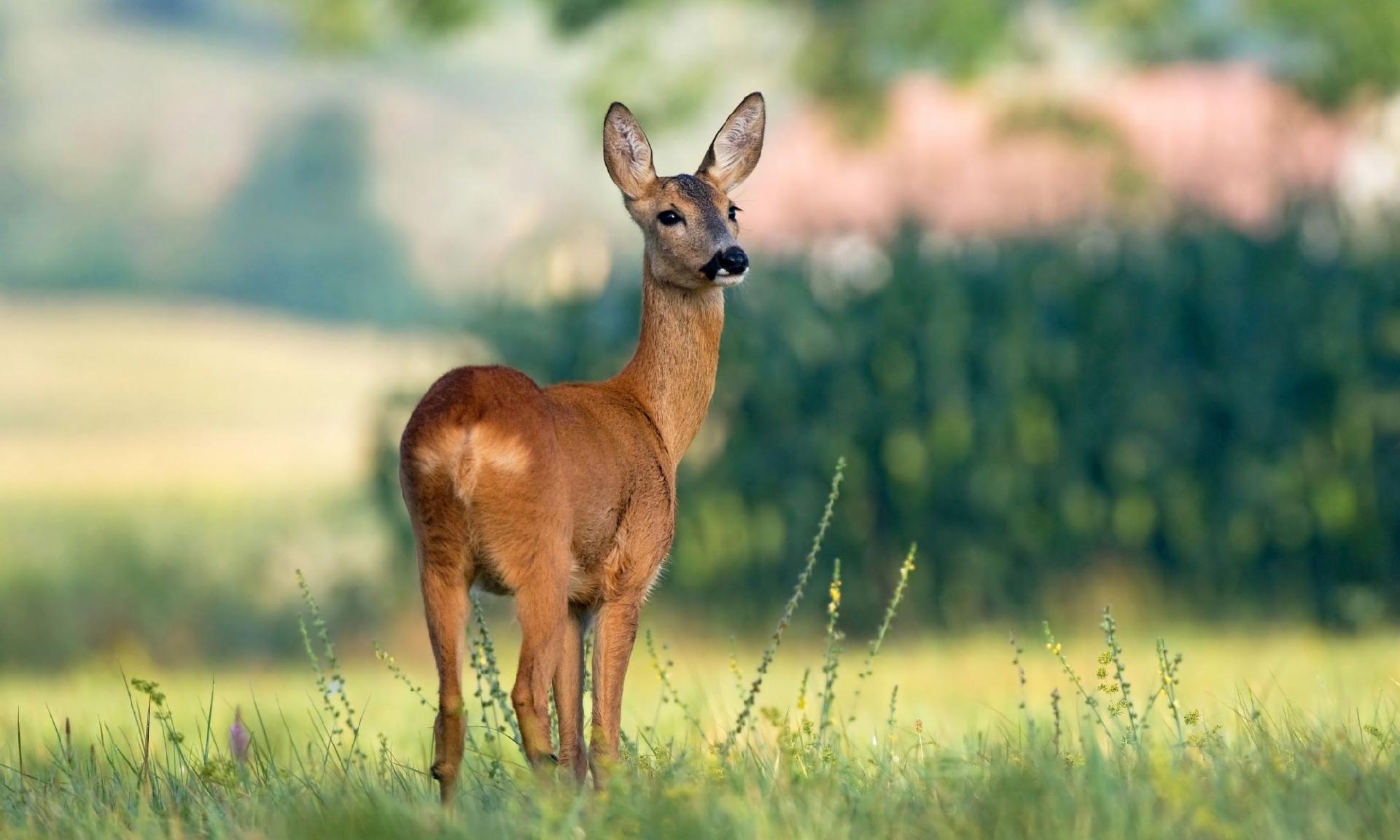
Deer oh deer, why do you love to eat our most prized plants? How easily you jump our fences and stretch your graceful necks to reach the ripe fruit on our trees. Time after time, you return to graze on our blossoms and vegetable patches.
The situation is frustrating, although to be fair, we have taken over vast sections of wilderness to build homes, farms and industry. As natural habits have diminished, deer and other wildlife forage on our properties to survive. Erratic weather events, such as drought, also compel deer to seek out our irrigated greenery.
Despite these animals’ incredible jumping ability and healthy appetites, it is possible to coax them to greener pastures using a selection of plants, protective barriers, and harmless sensory repellents.
Plants that deter deer
Deer will eat just about anything when they are hungry, but in general, they will avoid plants that are bitter, thorny, have a strong scent, or an unappealing texture. For example, they tend to avoid the fuzzy leaves of Lamb’s Ears and Pulmonaria, the tough stalks of ornamental grasses and strongly scented marigolds and sage.
Deer find the taste and/or scent of the following plants to be unappealing.
Flowers and ornamentals:
- African lily produces large flower heads that help to feed butterflies and bees.
- Bee Balm is a beautiful perennial that attracts hummingbirds, bees and butterflies.
- Brunnera produces bright blue flowers and pretty, variegated leaves.
- Catmint (not catnip) has mauve flowers that attract butterflies.
- Crape Myrtle has large clusters of dainty purple or pink flowers.
- Fountain Grass is a perennial with seed heads covered in fuzz.
- Daffodils are an early blooming plant that is mildly toxic to deer.
- Heather is an attractive, hardy plant with small pink or purple flowers.
- Heliotrope has purple blossoms with a scent that we find sweet, but which is overpowering to deer.
- Hens and Chicks (a.k.a. Sempervivum tectorum) is an ornamental succulent that makes a good ground cover.
- Lily of the Valley has delicate, bell-shaped flowers and grows well in the shade.
- Lilac produces fragrant clusters of pink, purple or white flowers.
- Marigolds usually have bold yellow, orange or red flowers.
- Snapdragons produce unusually shaped flowers in a range of colours.
- Wisteria, especially Wisteria floribunda, produces tresses of sweetly scented flowers.
- Verbena produces flower heads in a range of colours.
- Zinnia is an annual that produces large, profuse blooms.
Herbs:
Anise, basil, mint, rosemary, oregano, tarragon, thyme and sage have robust tastes and scents that make them valuable as culinary herbs but are unappealing to deer.
Vegetables:
Onion, garlic, leeks and shallots contain sulfur compounds that give them their distinctive scent.
Plants that attract deer
These plant species are especially attractive to deer: apple, aspen, azalea, beans, birch, blueberry, cherry (edible and ornamental), clematis, crocus, daylily, elderberry, elm, fir, dogwood, hawthorn, hibiscus, hollyhock, honeysuckle, hosta, hydrangea, impatiens, lilac, lettuce, lily, maple, mountain laurel, pansies, peach, pear, peas, phlox, plum, poplar, raspberry, rhododendrons, rose, strawberry, trillium, tulip, viola, cedar, white clover, willow, wisteria and yew.
If you wish to grow those plants in an area frequented by deer, you will need to protect them using some, or all of these techniques:
- Physical barriers: Use chicken wire or deer fencing to surround those plants that you value. Alternatively, install a very tall fence (a minimum of 7 feet high) around your entire property, or specific areas such as a vegetable patch.
- Plant barrier: Discourage deer by surrounding prized plants with garlic, onion or leeks.
- Spray repellent: Made from unappealing ingredients such as predator urine (which is collected at zoos from wolves, coyotes and foxes), putrefied eggs, garlic, blood, and/or soap. Considering the potent nature of the ingredients, always follow the manufacturer’s directions regarding safe usage. Typically spray repellents are effective on the trucks of fruit frees and grape vines and on the soil around valued plants.
- Sound: The random clattering of wind chimes can sometimes startle deer.
- Movement: Deer are prey animals, so they are frightened by sudden movements. Try hanging shiny metallic strips to flutter in the wind.
It is not recommended to allow dogs to chase deer because their kick can cause serious injury or death. Deer are especially aggressive during rutting season and when protecting their fawns.
Landscaping with resistant plants and using barriers, sounds, smells and movement can prevent deer from becoming pests and ensure they stay wild.